Understanding Pelvic Girdle Pain (PGP)
Pelvic Girdle Pain is common during pregnancy, affecting the joints and muscles around your pelvis, hips, and lower back. It can make simple movements – like walking, getting dressed, rolling in bed, or climbing stairs – painful & difficult. The good news is that the right assessment and treatment can make a huge difference, helping keep you comfortable through your pregnancy.
PGP is entirely treatable, yet it’s too often dismissed by healthcare professionals. You deserve individualised, compassionate care – especially during such a physically and emotionally vulnerable time. Please be assured, with the right approach; real relief and confidence in your body is possible.

What to Expect from Your Assessment
Your assessment takes place in the comfort of your own home, so you can relax in familiar surroundings. During the session, your specialist physiotherapist will:
- Ask lots of questions, and listen carefully to your symptoms and how they affect daily life
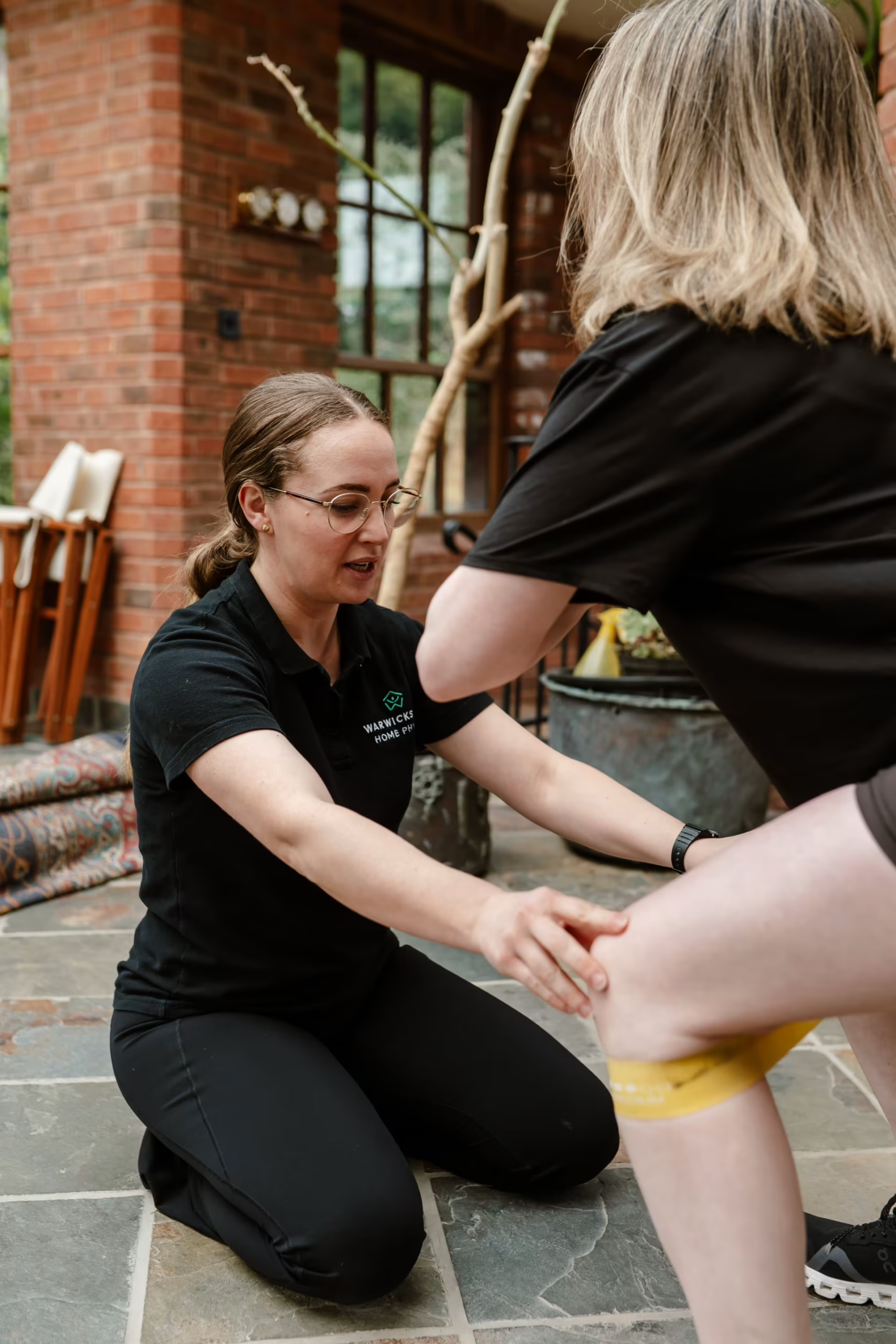
- Assess posture, movement, and pelvic alignment
- Gently test muscle strength and control
- Identify contributing factors such as joint stiffness, muscle imbalance, or poor load transfer
We’ll then clearly explain what’s happening and create a tailored plan that fits your stage of pregnancy and your lifestyle.
Treatment & Support
Your treatment plan may include:
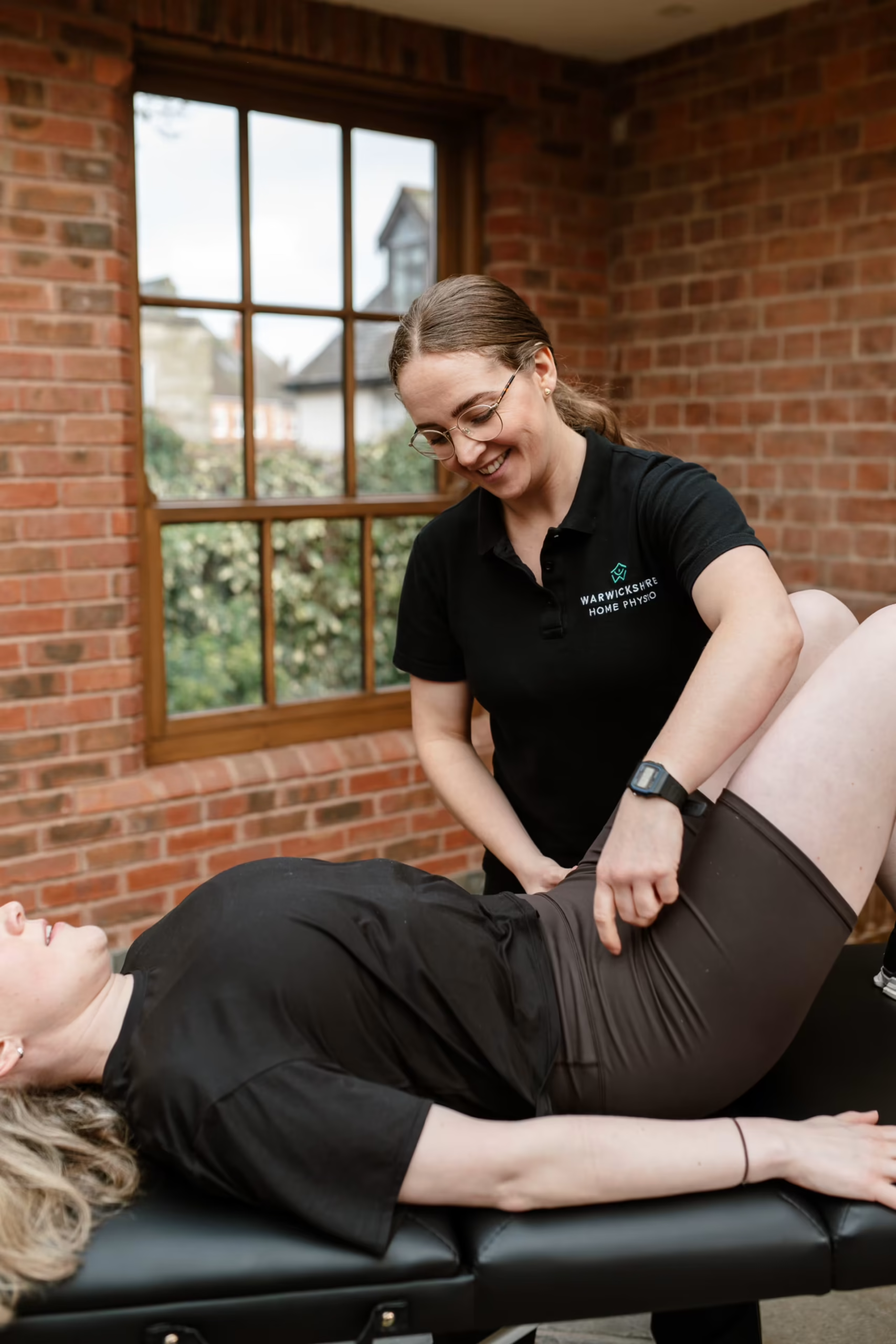
- Gentle hands-on techniques to ease tension and improve movement
- Targeted exercises to support your pelvis, hips, and core
- Advice on safe movement strategies for daily activities
- Recommendations for pelvic support belts or equipment if needed
Our aim is to reduce pain, restore confidence in movement, and help you stay active and comfortable throughout pregnancy.