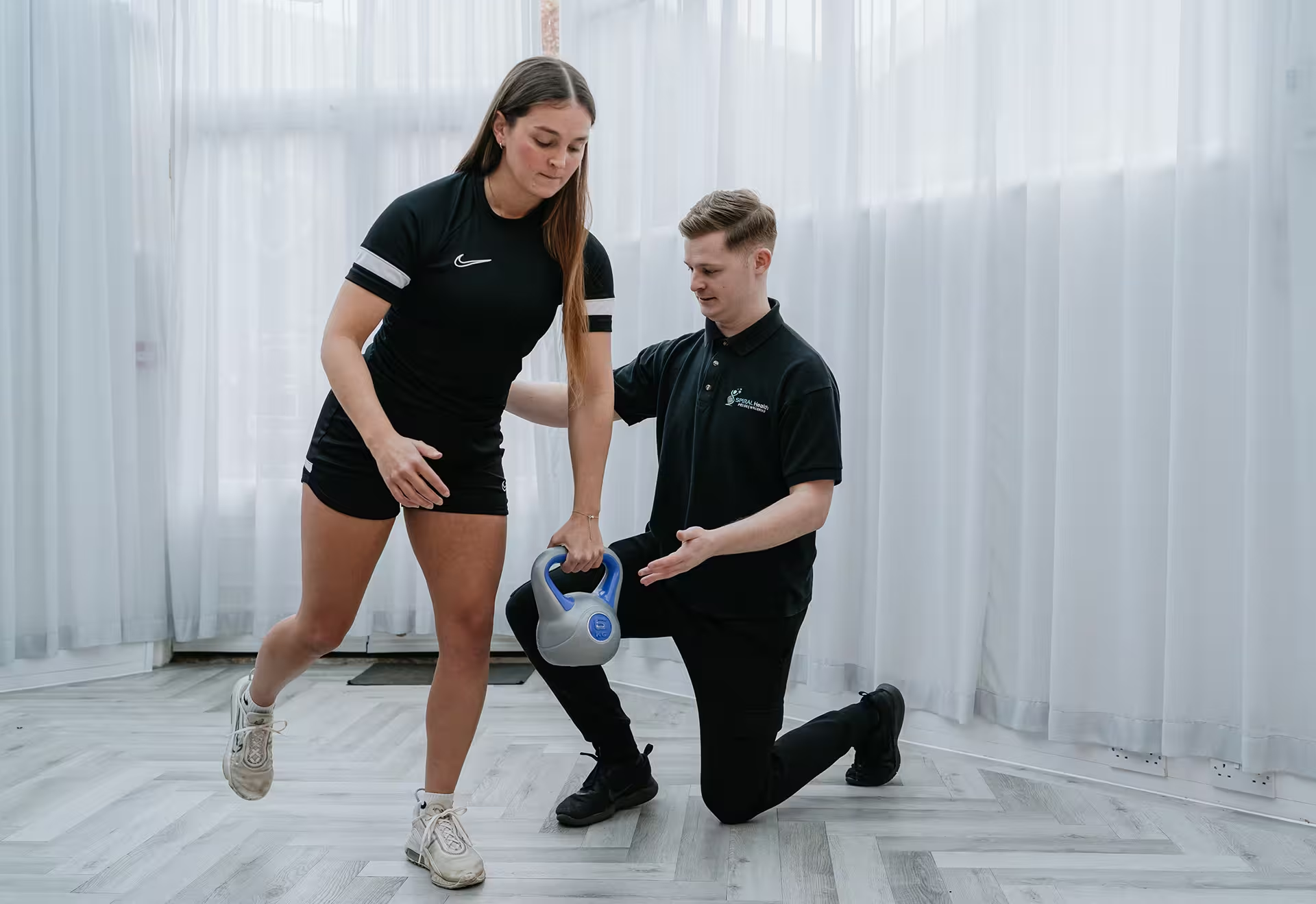
Expert Home Physiotherapy for Arthritis
Living with arthritis can mean daily stiffness, pain, and a gradual loss of confidence in movement, but it does not have to limit your life. With the right support, most people are able to stay active, manage their symptoms, and protect their independence. At Warwickshire Home Physio, we assess and treat arthritis in your own home, creating a personalised programme that helps you move more comfortably and live well.
Our physiotherapists are regulated by the Chartered Society of Physiotherapy and registered with the HCPC. We take a supportive, evidence-based approach to helping you manage arthritis over the long term.
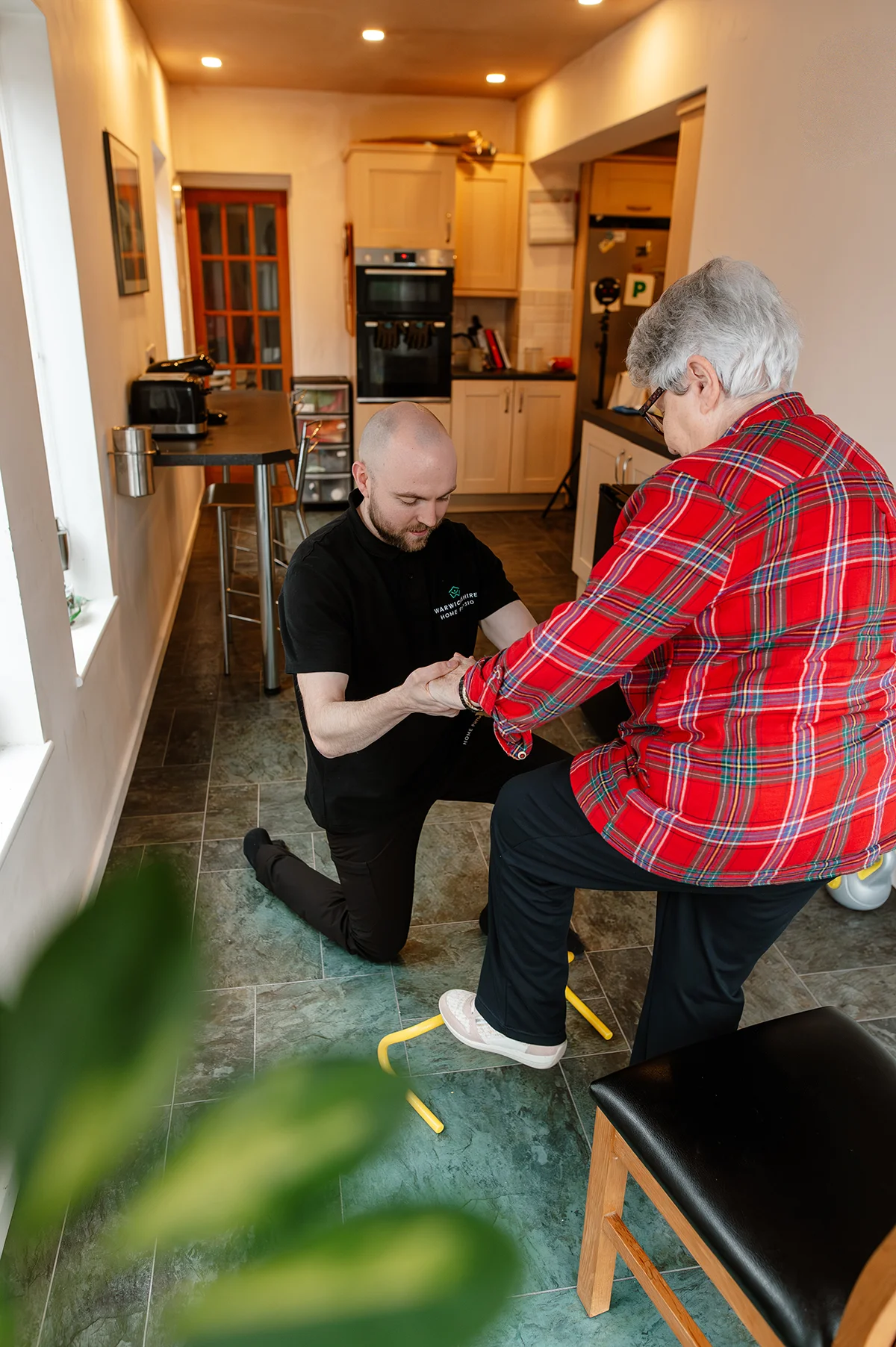

What Is Arthritis?
Arthritis is a broad term for conditions that cause pain and inflammation in the joints and connective tissue. The most common form is osteoarthritis, which involves gradual changes to the cartilage that cushions the joints, most often affecting the knees, hips, hands, and spine. Other forms, such as rheumatoid arthritis, are driven by the immune system and need ongoing medical management alongside physiotherapy.
A common misunderstanding is that arthritis means you should avoid using the affected joints. In fact, the evidence is clear that appropriate movement and exercise are among the most effective ways to manage arthritis, helping to reduce pain, maintain function, and keep joints working as well as possible.
Common Symptoms
- Joint pain that may be worse after rest or at the end of the day
- Stiffness, particularly first thing in the morning or after sitting still
- Reduced range of movement in the affected joints
- Swelling, tenderness, or a grating sensation in the joint
- A gradual decline in strength, balance, and confidence with activity
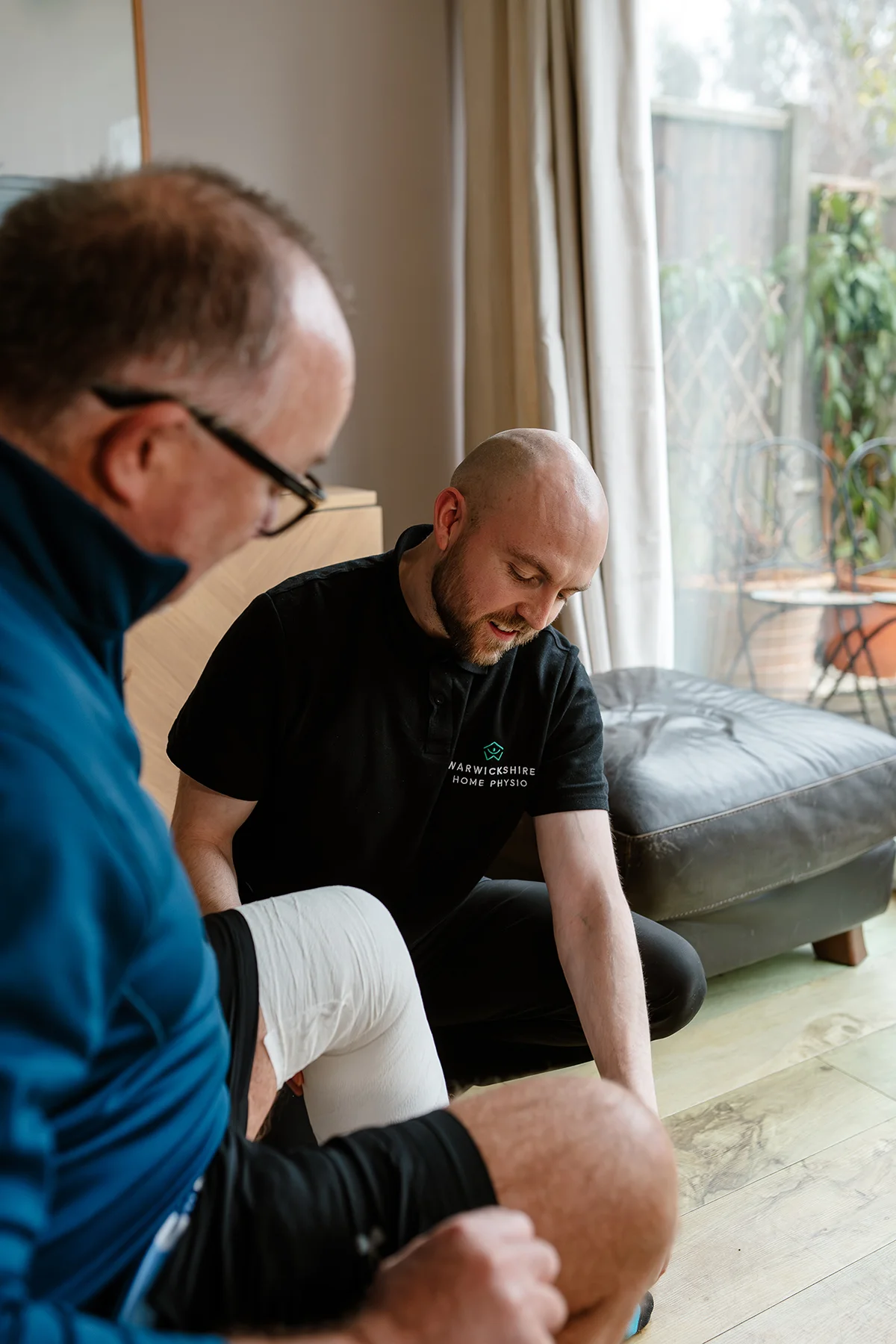
Common Causes and Contributing Factors
The causes of arthritis depend on the type, and understanding which factors are relevant to you helps shape an effective management plan.
- Age-related changes to joint cartilage, which underpin most cases of osteoarthritis
- Previous joint injuries, which can increase the likelihood of arthritis developing later
- Reduced activity and muscle weakness, which leave joints less well supported
- Carrying extra weight, which increases load through weight-bearing joints such as the knees and hips
- Inflammatory or autoimmune processes, as seen in rheumatoid arthritis and related conditions
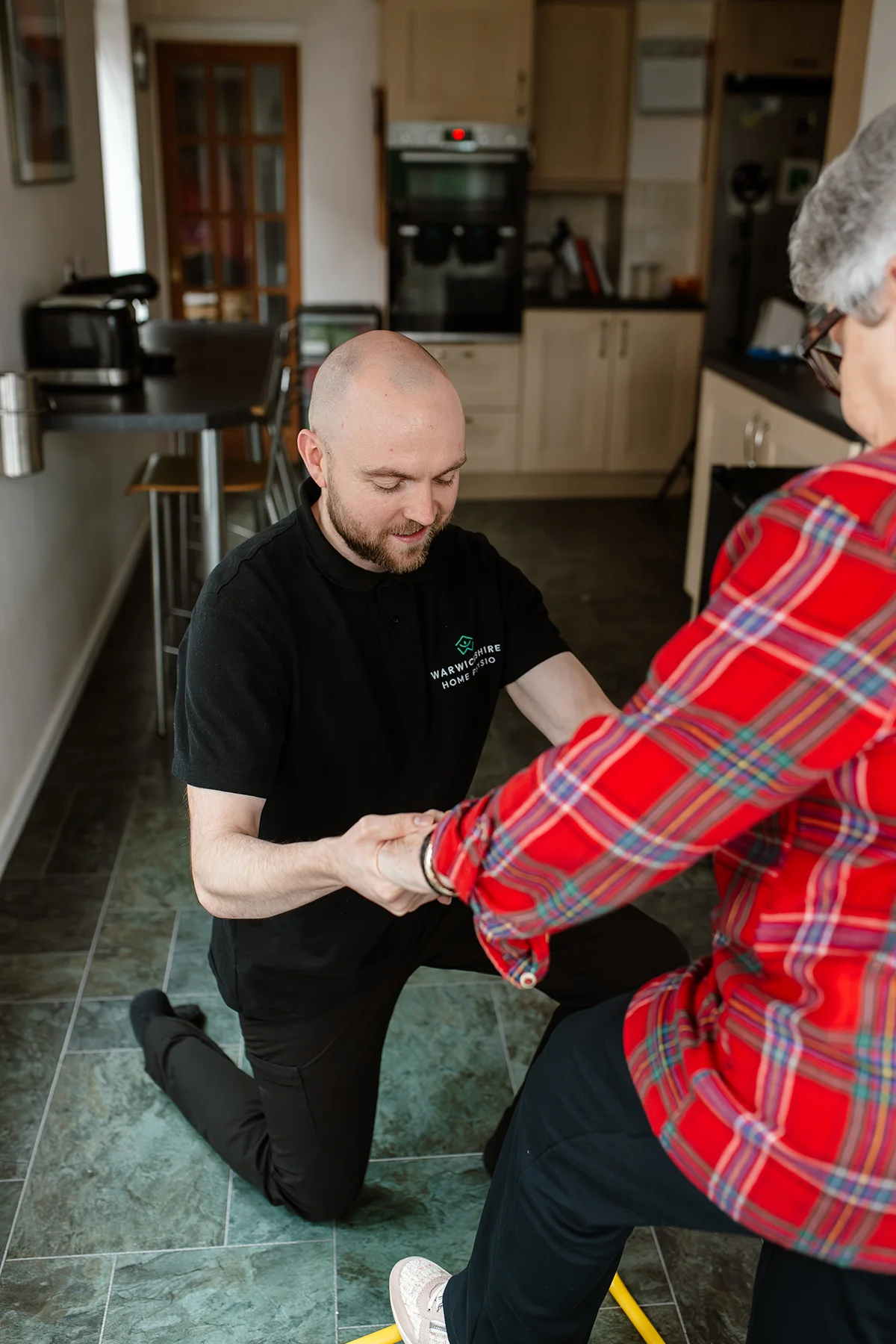
How Home Physiotherapy Helps Arthritis
Physiotherapy is a cornerstone of arthritis management and is recommended as a first-line approach for osteoarthritis. Strengthening the muscles around affected joints, maintaining movement, and gradually building activity tolerance all help to reduce pain and preserve independence, often delaying or reducing the need for other interventions.
Through our home physiotherapy service, we deliver arthritis care where it matters most, in your own home. We can tailor exercises to your joints, your energy levels, and your daily routine, and adapt your home environment to make movement easier and safer. Because arthritis is a long-term condition, we focus on giving you the knowledge and tools to manage it confidently for yourself, with our ongoing support.
Maintaining strength and balance is also important for reducing the risk of falls, which is a key part of staying independent with arthritis.
What to Expect From Your Assessment
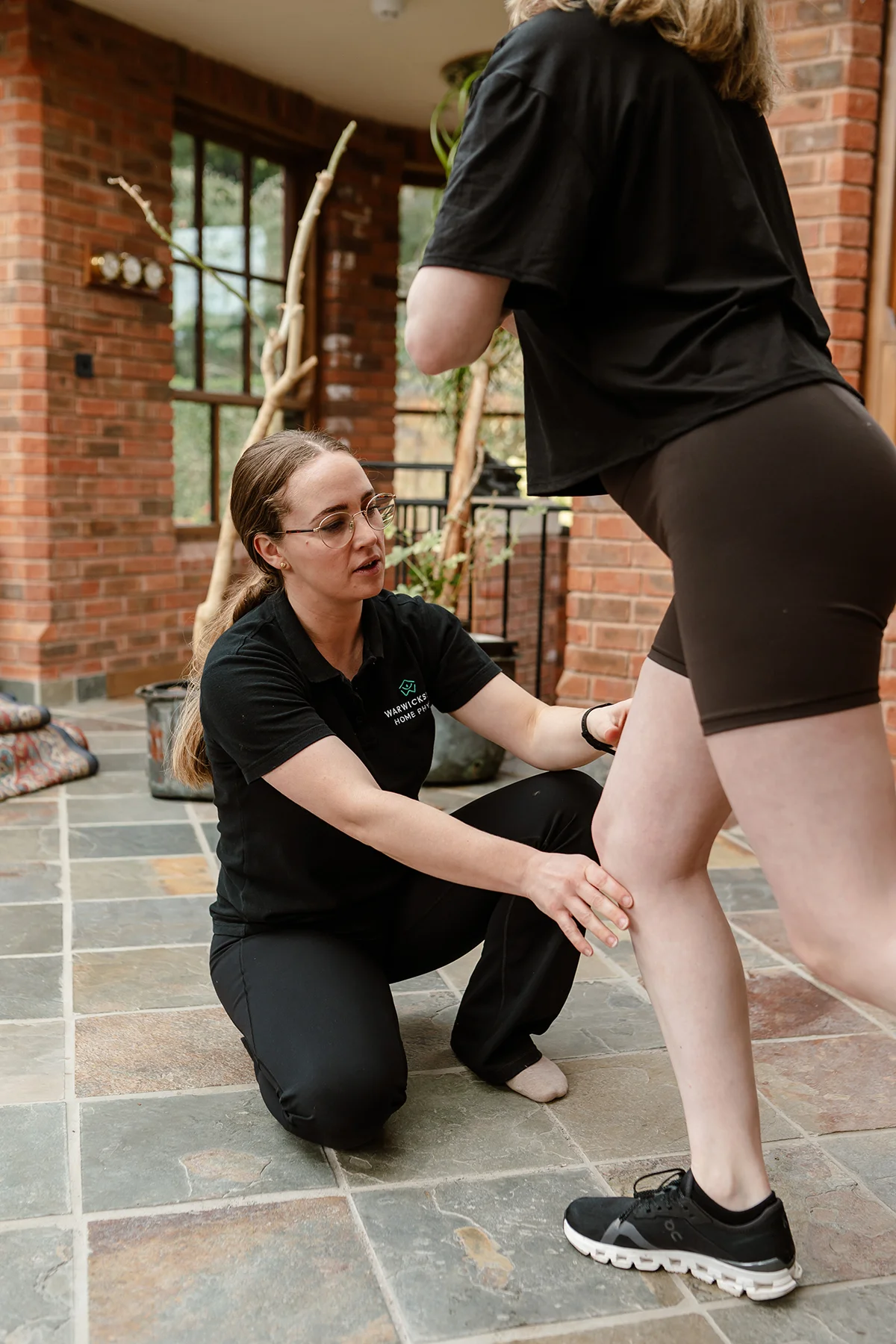
Your first appointment is an unhurried conversation about how arthritis affects you, which joints are involved, and what you would most like to be able to do. We then assess your movement, strength, and balance, and consider how your symptoms affect your daily life and your home environment.
We explain our findings clearly and agree on a personalised, realistic plan with you. You will usually begin some gentle, tailored exercises straight away and leave with practical advice on managing your symptoms day to day. Because arthritis fluctuates, we adjust your programme over time and support you through flare-ups as well as good spells.