Expert Home Physiotherapy for Sciatica
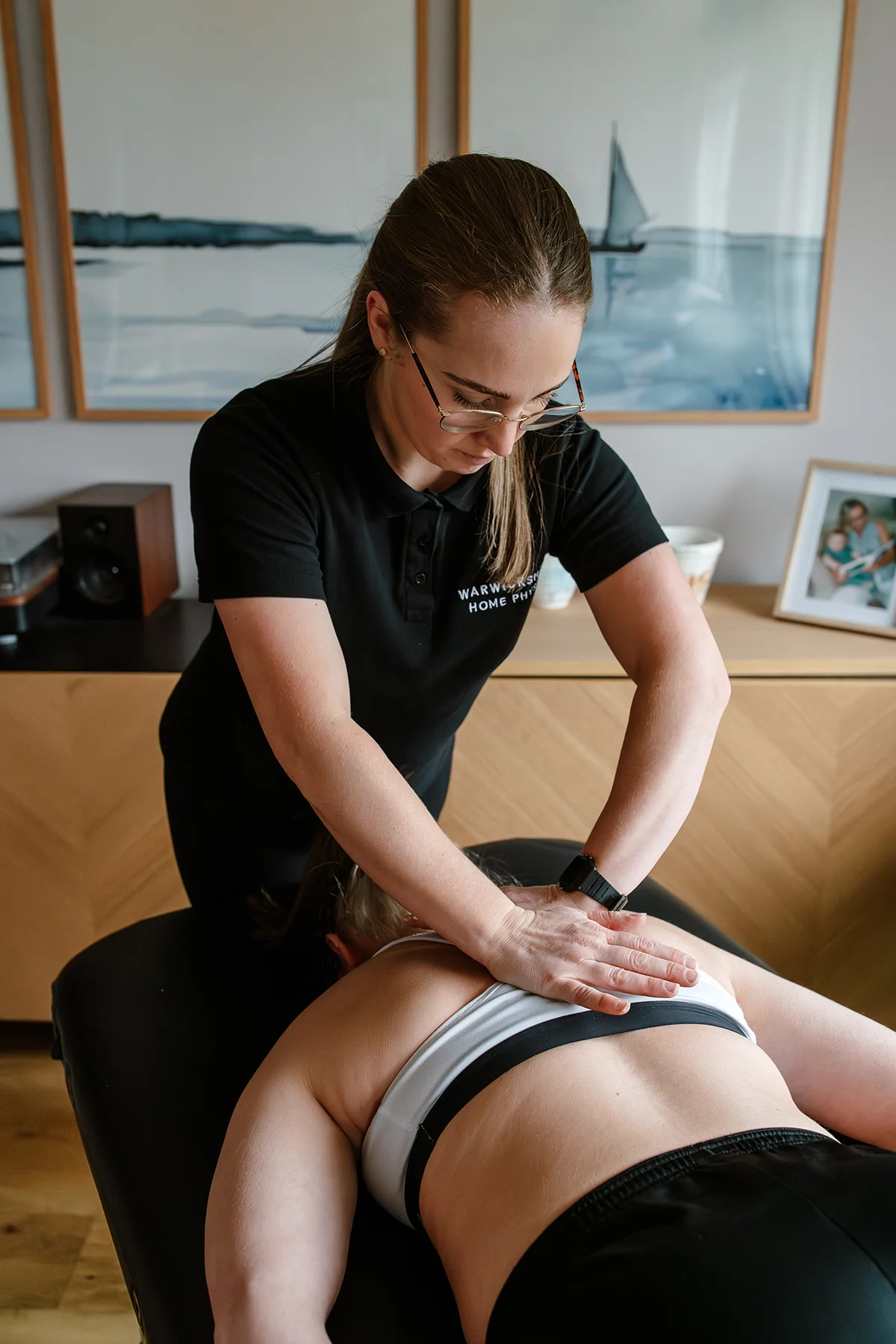
Sciatica can be alarming and exhausting, with pain that travels from the lower back down through the buttock and into the leg, sometimes reaching the foot. It can make sitting, standing, and sleeping genuinely difficult. At Warwickshire Home Physio, we assess and treat sciatica in your own home, helping you understand what is happening, ease your symptoms, and gradually restore comfortable, confident movement.
Our small, friendly team of chartered physiotherapists is regulated by the Chartered Society of Physiotherapy and registered with the HCPC. You will receive evidence-based care from a qualified clinician who takes the time to listen.

What Is Sciatica?
Sciatica is not a condition in itself, but a symptom; it describes pain travelling along the path of the sciatic nerve, the longest nerve in the body. This nerve runs from the lower spine, through the buttock, and down the back of each leg. When it becomes irritated or compressed, it can produce pain, tingling, numbness, or weakness anywhere along that route.
Although the symptoms can be intense, sciatica is very often self-limiting, meaning it tends to improve over time with the right management. Knowing what is causing the irritation and how to ease the load on the nerve makes a significant difference to both recovery speed and peace of mind.
Common Symptoms
- Pain that radiates from the lower back or buttock down into the leg, typically on one side
- Burning, shooting, or electric-shock-like sensations along the leg
- Pins and needles, tingling, or numbness in the leg or foot
- Weakness in the affected leg, making it feel heavy or unreliable
- Symptoms that worsen with prolonged sitting, coughing, or sneezing
Common Causes of Sciatica
Sciatica occurs when something presses on or irritates the sciatic nerve or the nerve roots in the lower spine. Identifying the underlying cause is crucial to your recovery, so our physiotherapists will take the time to assess you thoroughly and skilfully.
- A mild nerve compression in the spine – may be from a multitude of structures but is often a “disc bulge”
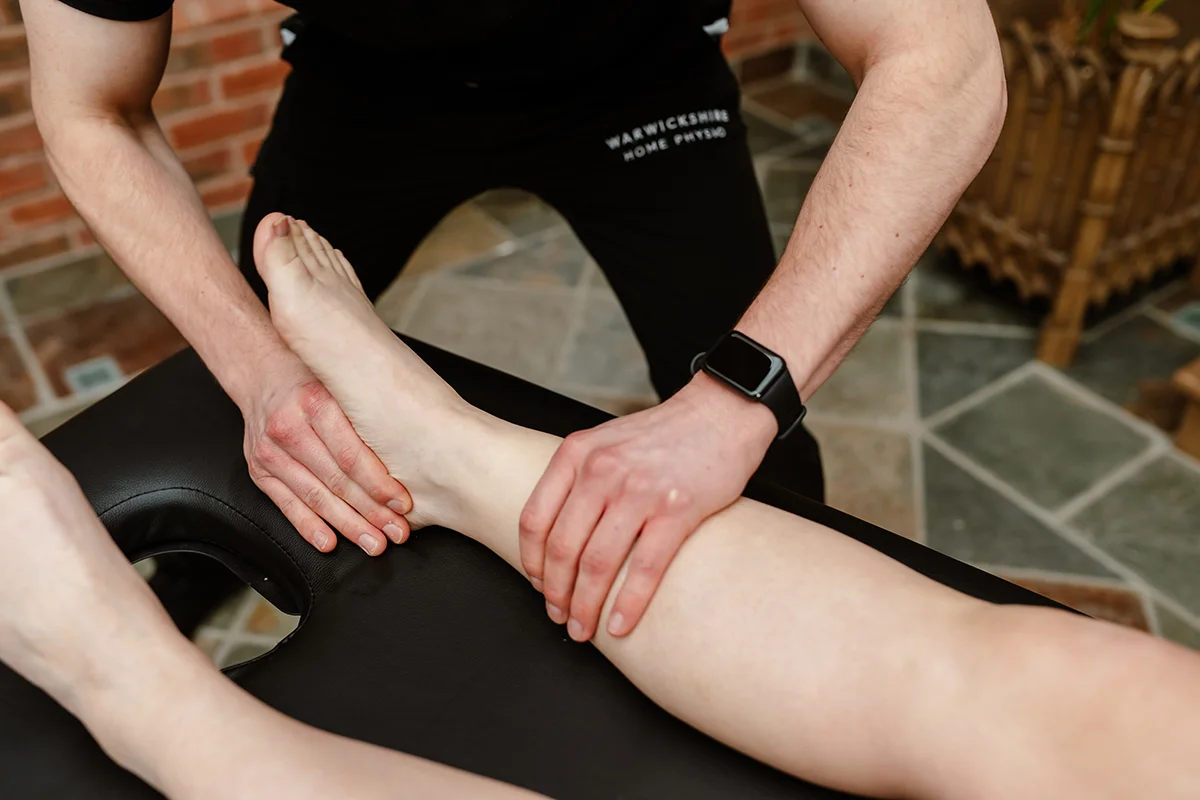
- Tightness or spasm in the deep buttock muscles that irritates the nerve as it passes nearby
- General lower back strain that causes localised inflammation around the nerve
- Periods of prolonged sitting or sudden increases in physical load
- A combination of all of the above, plus lifestyle factors – these things are rarely straightforward!
How Home Physiotherapy Helps Sciatica
Physiotherapy is one of the most effective ways to manage sciatica, and most people recover well without surgery. The goals are to calm the irritated nerve, restore movement in the lower back and hip, and gradually rebuild strength so that the nerve is well supported and protected.
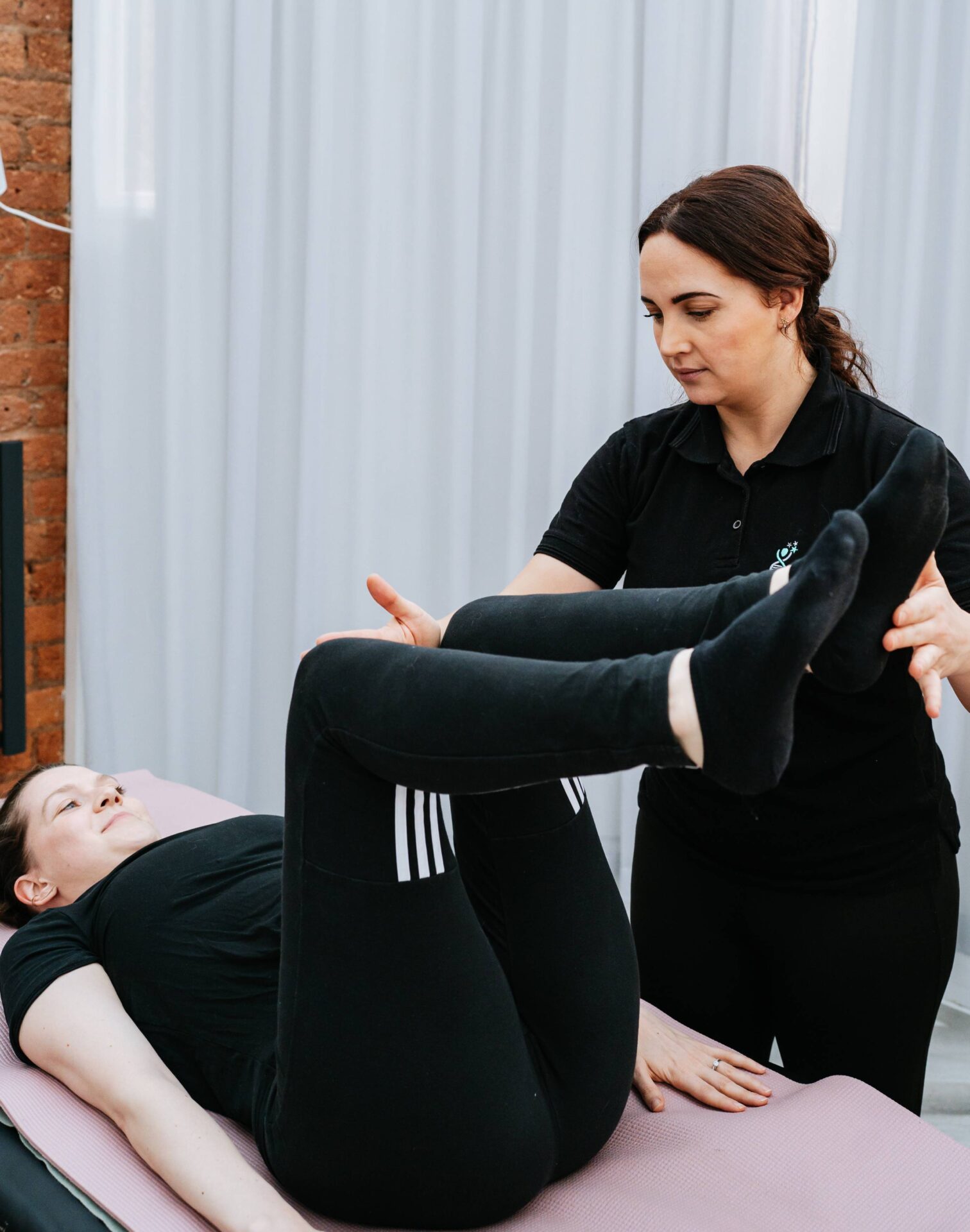
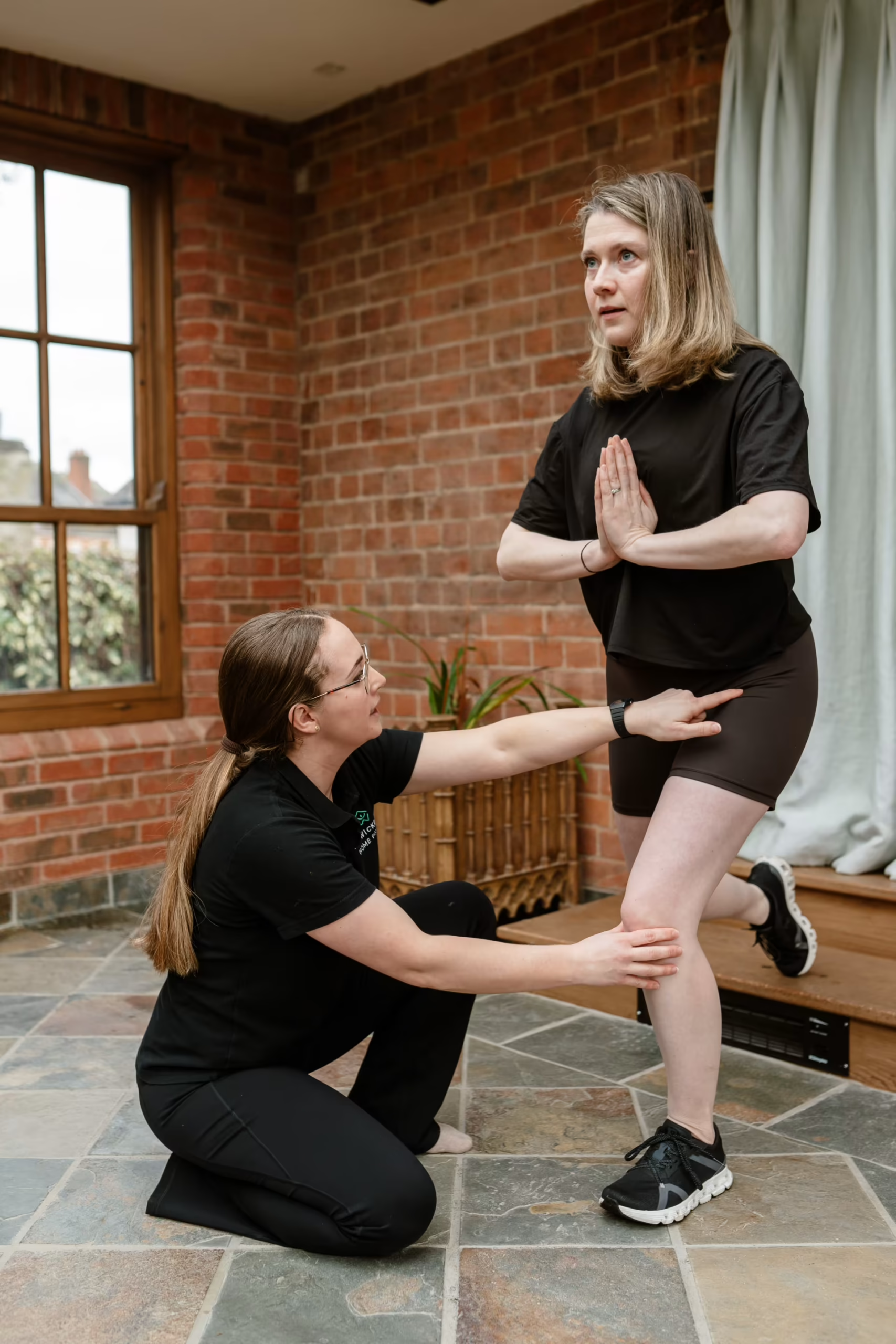
Through our home physiotherapy service, we deliver hands-on treatment and a carefully graded exercise programme in your own home. We can identify positions and movements that relieve your symptoms, teach you nerve-mobilising exercises where appropriate, and progress your plan as the pain settles. Because we see you in your own surroundings, we can give realistic advice on sitting, sleeping, and daily tasks that genuinely fits your life.
If your sciatica is linked to sport or a return to higher-level activity, we can also bring our sports rehabilitation knowledge into your programme to support a safe return. See our sports injury rehab service page for activity-related symptoms.
What to Expect From Your Assessment
During your first visit, we take a detailed history of your symptoms and carry out a careful physical and neurological assessment. This includes testing your movement, strength, reflexes, and sensation to understand exactly how the nerve is being affected and to rule out anything that requires onward referral.
We then talk you through our findings clearly and agree a personalised plan together. You will leave your first appointment with a better understanding of your sciatica, some initial exercises and advice, and a realistic picture of your recovery. Throughout your treatment, we keep checking your progress and adjust the plan to keep you moving forward.